Loading...
Serving Fullerton, CA and surrounding areas. (657) 354-1477
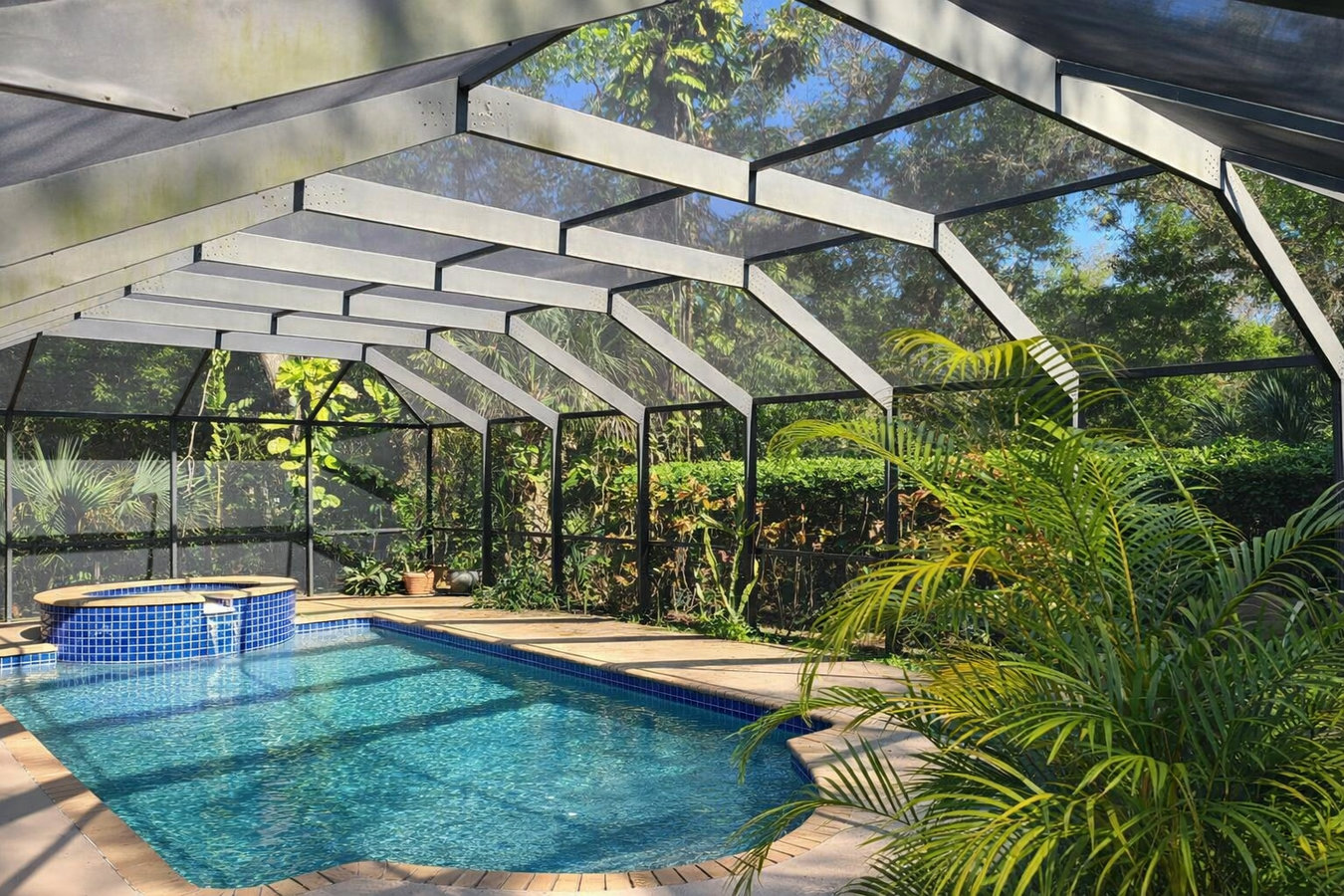
Custom Fullerton Sunrooms builds screen rooms, patio enclosures, and sunroom additions for Garden Grove homeowners. We work in neighborhoods all across this city - from the residential streets near Little Saigon and Bolsa Avenue to the blocks closer to Anaheim. Free estimates, with replies within one business day.
Garden Grove sits just north of the coast and benefits from afternoon ocean breezes that make screened outdoor spaces genuinely comfortable from April through October. A screen room installation on an existing concrete patio converts an open backyard area into a protected space where bugs, debris, and direct afternoon sun are blocked without cutting off airflow entirely. For Garden Grove homeowners in densely built neighborhoods where the backyard is modest in size, a screen enclosure adds usable outdoor living space without reducing the yard footprint the way a full addition would.
Most Garden Grove ranch homes from the 1950s and 1960s were built with a concrete patio slab behind the house - often covered by a simple aluminum patio cover added at some point in the last few decades. Enclosing that existing slab with glass or screen walls and a properly framed roof converts an underused outdoor area into a room that earns year-round use. Because the slab is already there, a patio enclosure in Garden Grove is often one of the most cost-efficient ways to gain usable interior square footage.
Garden Grove is a fully built-out city with very little open land remaining - if you want more square footage, you build on what you already have. A permitted sunroom addition attached to the rear of your home is the practical path to gaining a light-filled room without touching the main living area. For homes on the west and south sides of Garden Grove where lot sizes are smaller and the existing footprint is compact, a well-proportioned addition can meaningfully increase the usability of the home.
Garden Grove's mild winters - temperatures rarely drop below 45 degrees Fahrenheit even in January - make a three season sunroom practical for ten or eleven months of the year. A three season room uses tempered glass panels and a screened ventilation system rather than full insulated walls, which keeps costs lower than a full four season build. For homeowners who want enclosed outdoor living space for most of the year but do not need the room to be air-conditioned during Garden Grove's warmest summer weeks, a three season room is the right fit.
Older aluminum patio covers and enclosures throughout Garden Grove corrode and oxidize over time, especially on properties close to the coast where salt air is a factor. Vinyl sunroom framing does not corrode, does not require repainting, and handles Garden Grove's intense summer UV exposure without degrading the way painted aluminum does. For homeowners replacing an aging aluminum enclosure on a postwar ranch home, vinyl framing is a durable upgrade that eliminates a recurring maintenance task.
Garden Grove's 1950s and 1960s ranch homes commonly have rear concrete slabs that were poured as open patios and later covered with aluminum or wood lattice covers as the neighborhoods matured. Converting that covered patio into a fully enclosed sunroom uses the existing concrete as the floor and the existing overhead structure as the starting point for the roof framing. It is one of the most efficient ways to add a habitable room in a Garden Grove home where the patio slab is already in good structural condition.
The majority of homes in Garden Grove were built between the late 1940s and the early 1970s as part of Orange County's postwar suburban expansion. At 50 to 75 years old, these ranch-style homes on concrete slab foundations are at a stage where original exterior materials - stucco, concrete flatwork, aluminum patio covers, and roof underlayment - are all showing their age at roughly the same time. Stucco on a 60-year-old home develops hairline cracks as the building settles, and those cracks become entry points for water if they are not caught before Garden Grove's rainy season hits between November and March. Adding a sunroom to a home at this stage means the attachment wall needs to be assessed carefully so the new structure does not trap moisture or transfer stress to an already-fatigued stucco surface.
Garden Grove's clay soils are also a factor that contractors who work primarily in newer developments sometimes underestimate. Orange County's expansive clay swells when wet and shrinks when dry, and after 60 years of that seasonal cycling, original concrete slabs in Garden Grove backyards are often cracked, heaved at the edges, or slightly tilted. Before enclosing a patio on a home this age, the slab condition needs to be honestly assessed - a crack that looks cosmetic from above can indicate a more significant shift underneath. Garden Grove homeowners who have noticed that their back doors stick in winter and loosen up in summer are often seeing the effects of this same ground movement. A contractor who builds in this city regularly knows to check for these conditions as part of the standard site visit, not as a surprise late in the project.
Our crew works throughout Garden Grove regularly, and we understand the local conditions that affect sunroom contractor work here. We pull permits through the City of Garden Grove and are familiar with the plan check process for residential additions in this municipality. Garden Grove is one of the more densely populated cities in Orange County, covering about 18 square miles with a housing stock that is almost entirely built out - which means we work in tight residential lots regularly and know how to stage materials and schedule crews without disrupting neighbors or blocking street access for extended periods.
Navigating Garden Grove means working across a city that runs from the neighborhoods near Christ Cathedral on Chapman Avenue in the south to the streets bordering Anaheim on the north and east. The residential blocks near Bolsa Avenue - the heart of the Little Saigon community - are some of the most established neighborhoods in the city, and many of the homes there have been owner-occupied for decades. We also serve homeowners in the western neighborhoods closer to Fullerton and those in the central areas near Garden Grove High School. The housing stock is consistent across most of the city - postwar ranch-style homes on slab foundations - but lot orientation and existing patio conditions vary enough that we always do a physical site visit before quoting.
We also serve homeowners in neighboring Anaheim to the north and east, where many of the same postwar housing conditions apply. Whether your home is in Garden Grove or just across the city line, we can assess the project and give you a clear, honest estimate without a sales-pitch approach.
Contact us by phone or through the estimate form and describe your project - what you have now and what you want. We reply within one business day and schedule a site visit at a time that works for you.
We visit your property and evaluate the existing patio slab condition, the attachment wall, roof overhang, and drainage. For older Garden Grove homes, this inspection is where slab cracks, aging stucco, and patio cover conditions get identified. The written estimate covers materials, scope, permit costs, and timeline - no open-ended cost ranges.
We handle the permit application and plan check submission with the City of Garden Grove on your behalf. Once permits are approved, construction begins on a scheduled start date. Most screen room and patio enclosure projects in Garden Grove run two to four weeks on site.
City inspectors conduct required inspections during and after construction. Once the permit is closed, we do a final walkthrough with you to confirm everything is complete. You receive the closed permit documentation for your records - useful when you eventually sell or refinance the home.
We serve homeowners throughout Garden Grove and respond within one business day. No pressure - just a clear estimate and honest advice about what makes sense for your property.
(657) 354-1477Garden Grove is a fully built-out Orange County city of about 170,000 people covering approximately 18 square miles. The city grew rapidly after World War II, when developers converted farmland into tract home neighborhoods for returning veterans and their families. Most of that construction happened between the late 1940s and the early 1970s, which means the majority of Garden Grove homes are now 50 to 75 years old. The housing stock is almost entirely single-story and two-story ranch-style homes with stucco exteriors, slab foundations, and modest lots - typically between 5,000 and 7,500 square feet. According to U.S. Census data, roughly half of Garden Grove's housing units are owner-occupied, and median home values have climbed to the $700,000 range - high enough that most homeowners have a real financial incentive to maintain and improve their properties.
Garden Grove is perhaps best known regionally for its stretch of Bolsa Avenue, which runs through the heart of Little Saigon, one of the largest Vietnamese-American communities in the United States. The southern part of the city is anchored by Christ Cathedral on Chapman Avenue, a landmark building that draws visitors from across the region. The Garden Grove Strawberry Festival, held each Memorial Day weekend since 1958, is one of Orange County's longest-running community events. Many Garden Grove homeowners have lived in their homes for decades, which is reflected in the well-kept condition of most residential neighborhoods. Homeowners in cities like Orange to the southeast share similar postwar housing conditions and similar motivations for improving existing outdoor spaces rather than moving to larger homes.
Keep bugs out while enjoying fresh air with a screened outdoor room.
Learn MoreConvert your existing patio into a fully enclosed sunroom space.
Learn MoreTurn your underused deck into a comfortable, weather-protected sunroom.
Learn MoreProtect your patio from the elements with a durable cover structure.
Learn MoreGarden Grove homeowners are adding screen rooms and patio enclosures to properties throughout the city. Call us now or submit an estimate request to get your project on the schedule.